Aircraft Simulator Controls
Advanced flight simulator controls that ensure realism, pilot acceptance and superior training outcomes while reducing operational costs.
- Products
- Aircraft Simulator Controls
Critical Flight Controls That Determine Simulator Success
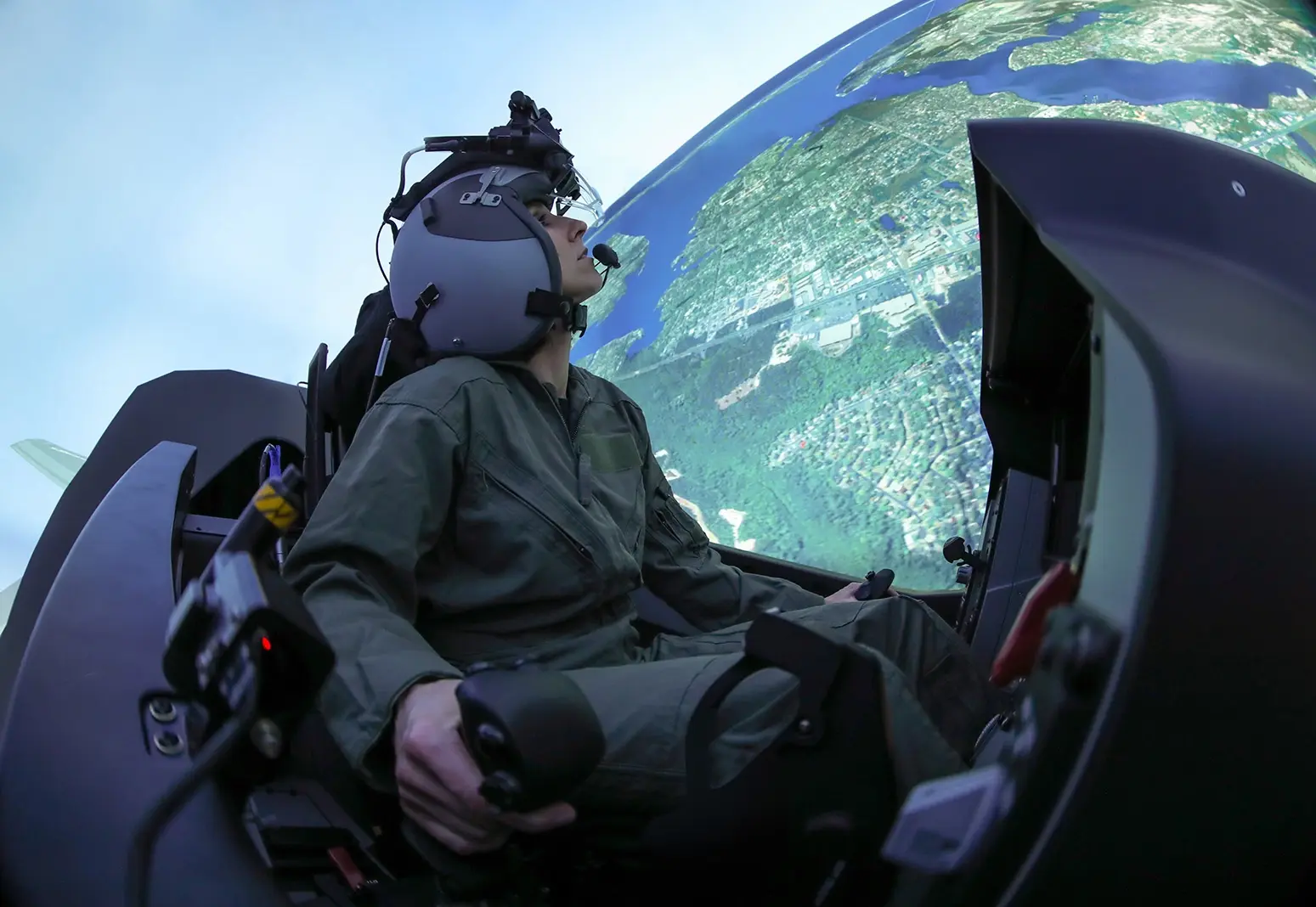
Advanced active sticks, throttles and pedals from Stirling Dynamics provide the critical touchpoints that ensure the success of a flight simulator – and its acceptance by pilots and instructors.
Flight controls will make or break a simulator. No matter how sophisticated its software and display technology.
The dominant driver of skill transfer is the perceptual realism of the control loop: the pilot’s neuromuscular system, the control inceptors and the simulated aircraft dynamics.
Our high-performance flight controls engage seamlessly to reproduce the force-displacement characteristics of a wide range of aircraft types and their envelopes.
Low latency and high bandwidth render fast, realistic force cues. Sticks, throttles and pedals are fine-tuneable – quickly and easily – to match the exact flight characteristics of the aircraft.
Meeting And Exceeding Pilot Expectations
Professional pilots – particularly those in military and airline operations – are the ultimate arbiters of simulator accuracy. They can detect very subtle cues.
Their muscle memory, perceptual expectations and procedural discipline are finely tuned to the aircraft type they operate.
They rely heavily on kinaesthetic feedback – control loading, resistance at trim or the feel of detents in a throttle quadrant.
Pilots notice immediately when sticks, throttles or pedals do not match expectations – or the innovation and precision quality of Stirling’s latest-generation active technology.
Flight Control Faults That Undermine Simulator Performance
Cutting corners on flight controls is a dangerous false economy that can impact not just immersion but ultimately a pilot’s true airmanship when they are presented with live flying challenges.
Our engineers are regularly contacted by simulator manufacturers that have trialled alternative controls. Or after aircrew have requested our products. These pilots have rejected cheaper and less realistic controls that ultimately do not meet the requirement.
Here are some of the warning signs:
Superior Airmanship, Less Risk, Lower Costs
Our perfectly modelled flight controls transform a simulator from a procedural trainer into a true flight surrogate – one capable of building real-world piloting skill, judgement and airmanship at a fraction of the cost and risk of live flying.
Superior Airmanship, Less Risk, Lower Costs
Realistic control feedback allows pilots to acquire handling skills more rapidly. Reduced need for repetition or remedial sessions because control feel directly matches real-aircraft behaviour. Quicker adaptation to procedural and handling exercises due to accurate muscle-memory development.
Reduced time required in the real aircraft
Psychomotor and procedural skills transfer seamlessly from simulator to aircraft so less live flying is needed for type conversion or certification. Earlier achievement of flight-test proficiency standards (take-off, approach and landing).
Lower overall training costs
Fewer flight hours in fuel-burning aircraft reduces direct operational expenses (fuel, maintenance and scheduling). Less instructor time per trainee, improving training centre productivity. Extended simulator usage life due to more efficient training throughput.
Higher training throughput and standardisation
Consistent control loading ensures uniform handling characteristics for all trainees. Facilitates objective performance assessment – every trainee experiences the same force cues and responses. Simplifies regulatory qualification and recurrent training, ensuring repeatable training conditions.
Improved pilot skill transfer and retention
Muscle memory and proprioceptive learning mirror real aircraft behaviour, reinforcing correct control technique. Reduced risk of negative training (learning habits that must later be unlearned). Enhanced confidence when transitioning from simulator to aircraft operations.
Enhanced situational awareness and airmanship
Accurate tactile feedback promotes instinctive energy management and trim discipline. Pilots develop the necessary feel for aerodynamic conditions – such as the onset of stall, turbulence or engine asymmetry – through physical cues. Encourages professional handling standards, attention to smoothness and respect for aircraft limitations.
Why Stirling Dynamics For Advanced Flight Simulator Controls
Stirling Dynamics (an Expleo company) is a world-class pioneer of active pilot controls. We invented this technology in the early 1990s and remain at its forefront, pioneering new solutions to further drive innovation in this segment.
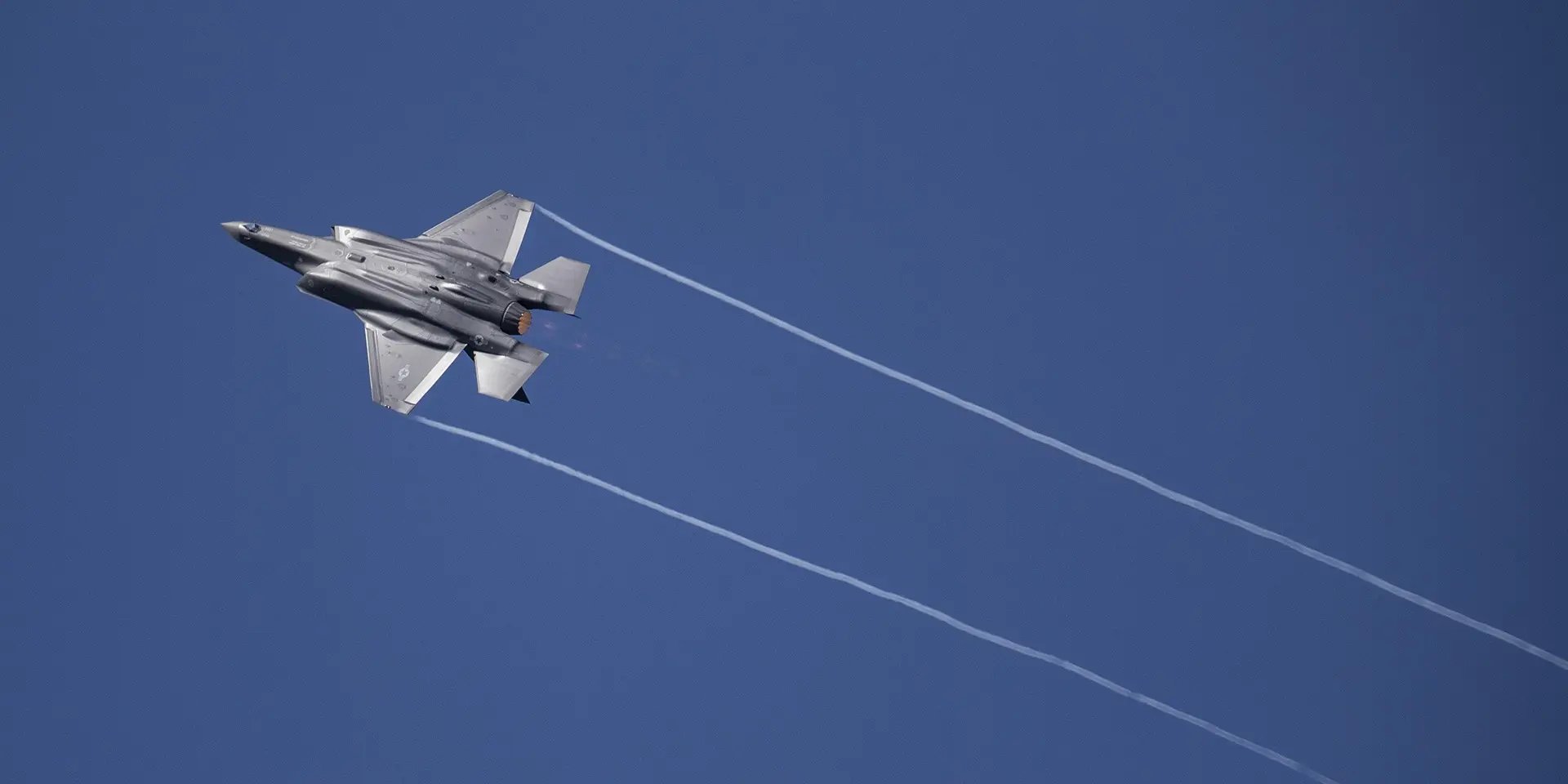
We are the sole supplier of flight simulator controls to the $1.7 trillion F-35 program, providing more than 850 units globally.
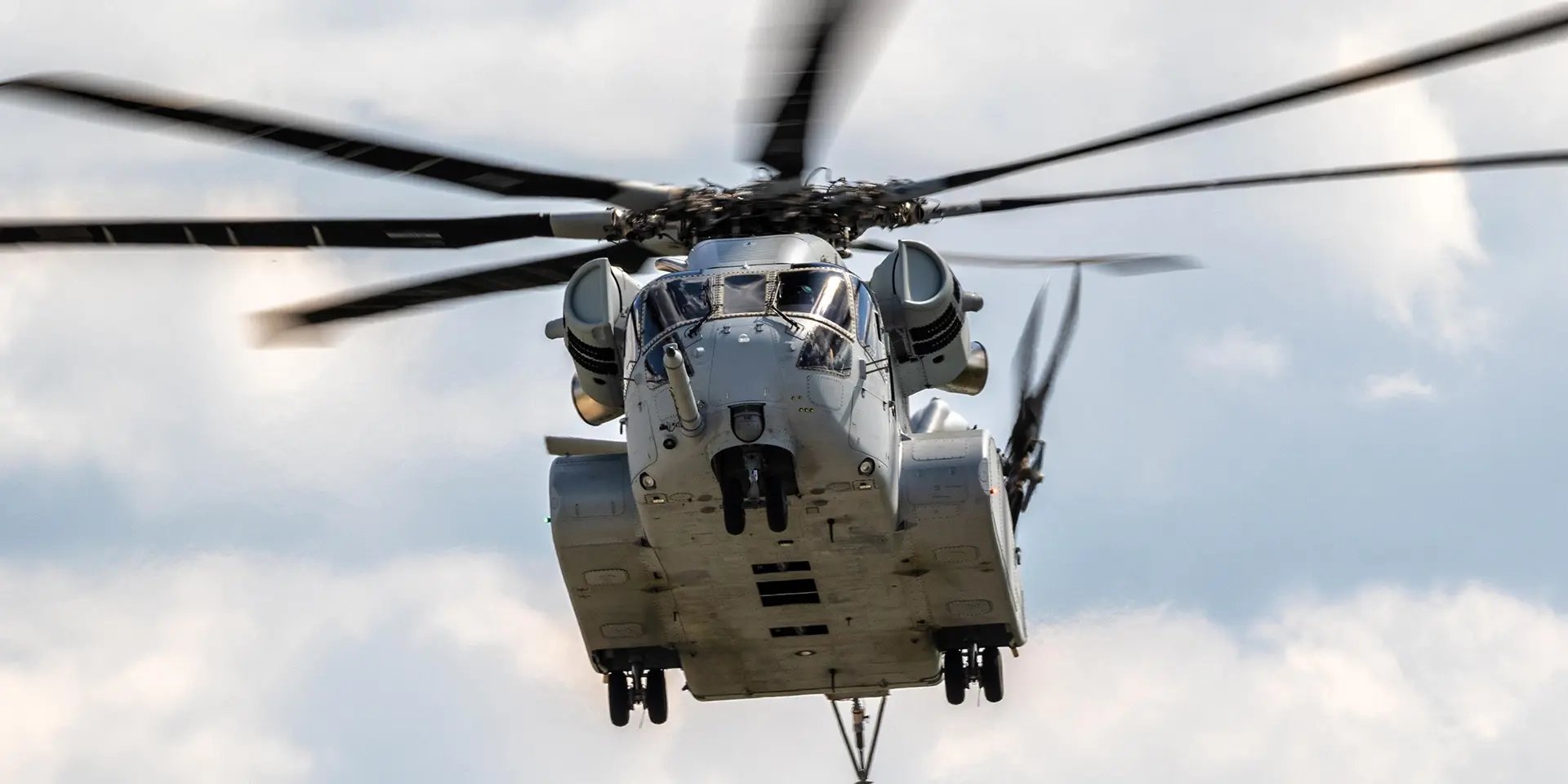
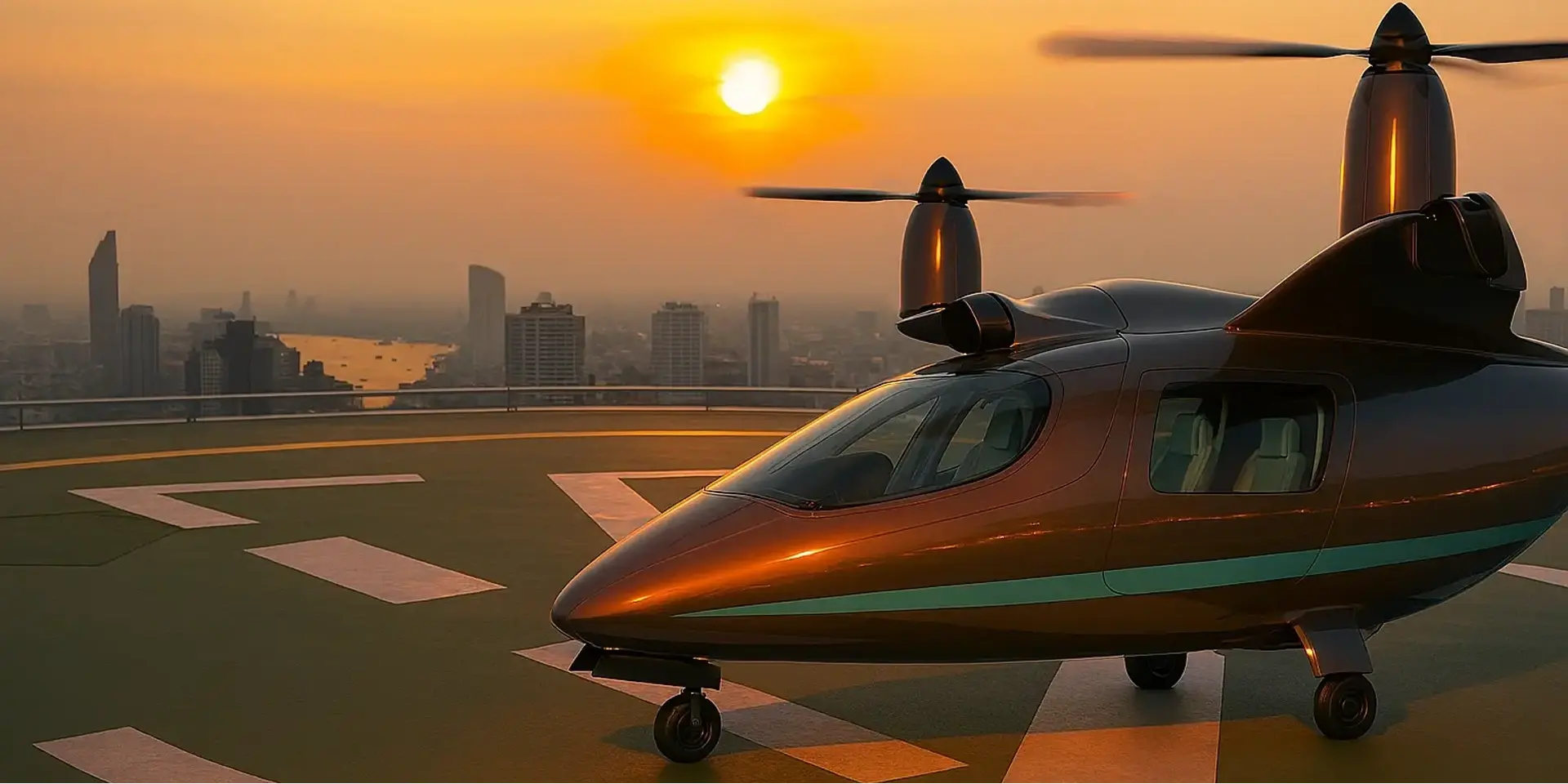
Our wide range of fixed wing, rotary wing and eVTOL/AAM solutions include standard, custom, standalone, dual-linked and type-specific controls. We have just invested in Version 4 of our technology to produce a new range of controls that capitalises on our innovation.
All products are designed and manufactured at our premises in Bristol, UK. We offer a full bespoke service, giving the customer complete choice in the specification of the product. Grips are specific to aircraft types: we offer a range of different grips to suit different applications (in addition to our standard COTS grip).
Expleo is a €1.4 billion group comprising 18,000 innovation-driven experts in 29 countries. It is trusted around the world by brands including Airbus, Dassault Aviation and Spirit Aerosystems.